Microdosing Retatrutide & GLP-1 Drugs: What the Research Shows
Editorially reviewed · Last updated September 9, 2026 · How we review
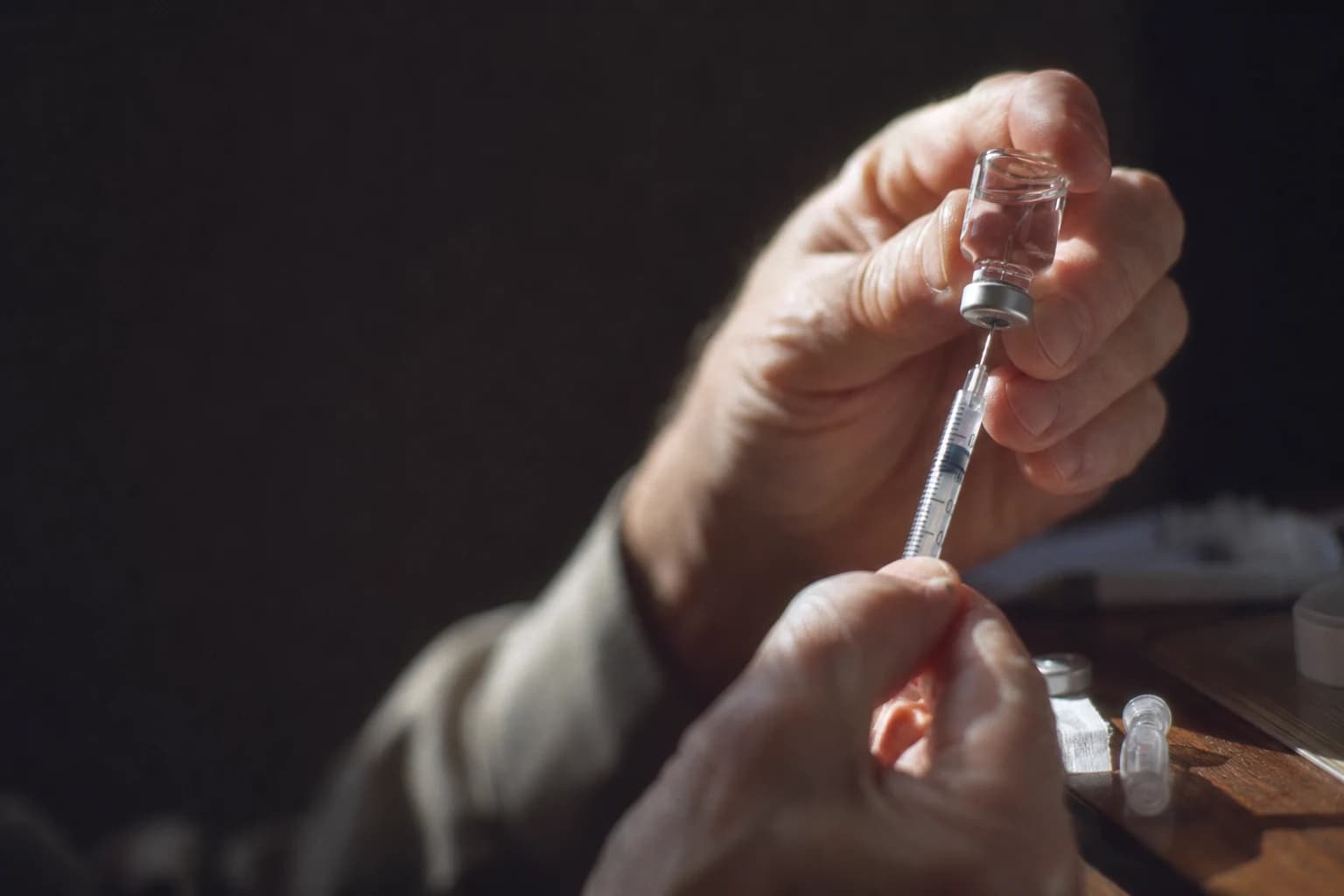
This article reviews what the current evidence shows about alternative dosing of GLP-1 drugs, with specific attention to retatrutide.
Microdosing Retatrutide: What We Know
No Microdosing Studies Exist
No study — clinical trial, PK modeling, or case series — has examined microdosing retatrutide. All evidence about GLP-1 microdosing comes from semaglutide and tirzepatide. Whether those findings apply to a triple agonist is unknown.
Phase 2 Low-Dose Data
This confirms that retatrutide has a dose-dependent effect, but even low doses produce clinically meaningful results. However, 1 mg weekly is still a defined dose studied under controlled conditions — it is not analogous to ad hoc microdosing.
Half-Life Considerations
Retatrutide has an approximately six-day half-life in Phase 1 studies. That supports studying weekly administration, but does not validate a split-dose schedule or establish an individual’s time to steady state.
Compounded Uncertainty
What Real-World Microdose Reports Actually Show
Checked against the dose-matched trial data:
| Reported | Published Data | Assessment |
|---|---|---|
| 17.2% weight loss in ~27 weeks at 1.5–2.5 mg/week | At 24 weeks, the Phase 2 trial's 1 mg arm lost 6.0% and the 4 mg arms 9.0–9.4%. Even the 12 mg arm was at 16.7% (NEJM 2023) | Outpaced the trial's highest dose on roughly one-fifth the drug. The comparison cannot isolate why the results differ or how much retatrutide contributed |
| Resting heart rate rose from mid-50s to low-70s, persisting at month 7 even at 1 mg | Trial heart rate increase was dose-dependent, up to 6.7 bpm, peaking at 24 weeks then declining (Doggrell 2023) | Direction matches the known class effect; the magnitude is 2–3 times the trial signal, with nicotine, caffeine, and testosterone in the same stack |
| Lost desire for alcohol | A randomized trial found semaglutide reduced alcohol craving and drinks per drinking day (JAMA Psychiatry 2025) | Consistent with emerging GLP-1 class evidence |
| Worse sleep quality | Not a reported adverse-event signal in the Phase 2 trial | Anecdotal and unstudied |
| Switching to low-dose tirzepatide for maintenance | Low-dose and reduced-frequency maintenance has pharmacokinetic-modeling support (Wu et al. 2025) | Not validated as a retatrutide-to-tirzepatide switching strategy |
The confound is stated in the post itself: alongside retatrutide, the protocol included testosterone replacement at 180–200 mg/week, HCG, CJC-1295/ipamorelin, tesamorelin, melanotan II, and roughly fifteen supplements, plus deliberate diet and training changes. The author is transparent that "this was not a Reta clinic trial."
That transparency is the exception. Most before/after posts attribute everything to the drug. Even this unusually complete log cannot isolate retatrutide's contribution — which is exactly the gap between a documented anecdote and the controlled trial data above.
What Is Microdosing in the GLP-1 Context?
There is no official medical or FDA definition of "microdosing" for GLP-1 drugs. In practice, the term is used to describe four distinct approaches:
| Practice | What It Means | Example |
|---|---|---|
| Sub-therapeutic starting doses | Starting below the FDA-approved initial dose | 0.125 mg semaglutide instead of 0.25 mg |
| Dose splitting | Dividing a weekly dose into 2+ smaller injections | Two 1.25 mg tirzepatide injections instead of one 2.5 mg |
| Extended dosing intervals | Taking the standard dose less often than weekly | Semaglutide every 10–14 days instead of every 7 |
| Low-dose maintenance | Stepping down to a lower dose after reaching weight loss goals | Dropping from 2.4 mg to 1.0 mg semaglutide |
What Does the Research Say?
No randomized controlled trial has tested any microdosing protocol for any GLP-1 drug. The existing evidence comes from pharmacokinetic modeling, case series, and real-world prescription data.
Pharmacokinetic Modeling: Biweekly Dosing (Cengiz, Wu & Lawley, 2025)
- 2.4 mg weekly produces ~17% body weight reduction (consistent with trial data)
- 2.4 mg every 2 weeks produces ~12% body weight reduction — 72% of weekly-dose efficacy retained
- Switching from 1.7 mg weekly to 2.4 mg every 2 weeks retains 82% of efficacy at 50% of cost
- 5 mg weekly produces ~17% weight loss; 15 mg weekly produces ~23%
- 5 mg every 2 weeks retains ~70% of weekly efficacy
- Switching from 5 mg weekly to 10 mg every 2 weeks retains 95% of efficacy at 50% of cost
Reduced-Frequency Maintenance (Wu, Cengiz & Lawley, 2025)
ADA Perspective (Kome et al., 2025)
- Transitioning between GLP-1 medications
- Dose escalation or de-escalation
- Managing poor tolerability
- Reducing costs for cash-paying patients
What Has NOT Been Studied
- No randomized controlled trial has compared microdosing to standard dosing
- No long-term safety data exists for any alternative dosing protocol
- Cardiovascular outcomes have not been measured at sub-therapeutic doses
- The interaction between microdosing and metabolic disease progression is unknown
Why People Microdose GLP-1 Drugs
Side Effect Reduction
Nausea is the most common reason patients seek lower doses. GLP-1 side effects are dose-dependent — higher peak drug concentrations correlate with more GI distress. Splitting a dose into two smaller injections reduces the peak while maintaining a similar average drug level.
Cost
Real-World Dosing Is Already Low
This suggests that many real-world patients are already using doses well below the maximum, and still achieving meaningful weight loss.
Pharmacokinetics: How Half-Life Affects Microdosing
A drug's half-life determines how much its concentration fluctuates between doses. Shorter half-lives produce larger swings — higher peaks and lower troughs — which has direct implications for alternative dosing strategies.
Swipe sideways to see every column.
| Drug | Half-Life | Steady State | Effect of Biweekly Dosing |
|---|---|---|---|
| Semaglutide | ~7 days | ~4–5 weeks | Peak drops ~38%, P/T variation increases ~34% |
| Retatrutide | ~6 days | ~4–5 weeks | Not studied |
| Tirzepatide | ~5 days | ~4 weeks | Peak drops ~28%, P/T variation increases ~9% |
Semaglutide's longer half-life already produces relatively stable levels on a weekly schedule, so splitting provides less pharmacokinetic benefit.
Retatrutide, with its intermediate ~6-day half-life, falls between the two. Its pharmacokinetic profile with alternative dosing has not been modeled or studied.
What Medical Professionals Say
Medical institutions and professional organizations have been largely critical of microdosing GLP-1 drugs.
Some telehealth and private practice physicians do prescribe sub-therapeutic doses, particularly for patients with cost constraints or severe side effects. This remains a clinical judgment call without formal evidence backing.
Risks and Limitations
| Risk | Detail |
|---|---|
| No clinical trial evidence | Zero RCTs have validated any microdosing protocol for any GLP-1 drug |
| Dosing errors | Multidose pens have no markings for sub-standard doses; counting clicks is imprecise |
| Sub-therapeutic levels | Doses too low may never reach steady state or produce meaningful receptor activation |
| Side effect recurrence | Without steady drug levels, GI side effects may return with each dose instead of diminishing over time |
| Cardiovascular uncertainty | Cardiovascular protection shown in SELECT trial was at full therapeutic doses; no data exists for lower doses |
| Contamination risk | Extracting non-standard doses from pens or vials introduces contamination risk |
| Compounded drug risks | Compounded GLP-1 formulations lack FDA oversight for potency, sterility, and purity |
| Medication expiration | Ozempic pens expire 56 days after opening; extended-interval dosing may cause medication to expire unused |
Frequently Asked Questions
What is microdosing GLP-1?
Microdosing GLP-1 refers to using GLP-1 receptor agonist drugs at doses or frequencies outside of FDA-approved protocols. This includes sub-therapeutic starting doses, dose splitting (dividing a weekly dose into multiple smaller injections), extended dosing intervals (every 10–14 days instead of weekly), and low-dose maintenance after weight loss. None of these approaches have been validated in clinical trials.
Can you microdose retatrutide?
There is no data on microdosing retatrutide. Retatrutide is an investigational drug currently in Phase 3 clinical trials and has not been FDA-approved. All use outside of clinical trials is experimental and unregulated. Microdosing an unapproved drug compounds two layers of uncertainty.
Is microdosing GLP-1 drugs safe?
No clinical trial has evaluated the safety of any microdosing protocol. The medical establishment — including the Cleveland Clinic, the ADA, and the FDA — has not endorsed microdosing. Risks include sub-therapeutic drug levels, dosing errors, side effect recurrence, and unknown cardiovascular outcomes. Pharmacokinetic modeling suggests partial efficacy may be preserved, but this has not been validated in human trials.
What is the difference between microdosing and split dosing?
Microdosing typically refers to taking a smaller total dose than prescribed. Split dosing refers to dividing the standard weekly dose into two or more smaller injections — the total weekly dose remains the same, but is administered more frequently. Split dosing produces more stable drug levels (lower peaks, higher troughs) and may reduce side effects. Neither practice has been studied in clinical trials.
Does microdosing GLP-1 work for weight loss?
Pharmacokinetic modeling suggests that reduced-frequency dosing preserves 70–82% of weight loss efficacy depending on the drug and dosing strategy (Cengiz et al., 2025). Real-world data shows that most tirzepatide users stay on lower doses and still achieve meaningful weight loss. However, no randomized trial has directly tested microdosing, so the true efficacy in a controlled setting is unknown.
Can you lose weight on 1–2 mg of retatrutide a week?
In the Phase 2 trial, the defined 1 mg weekly dose produced 8.7% mean weight loss over 48 weeks versus 2.1% with placebo — clinically meaningful, but roughly a third of the 12 mg result (24.2%). Real-world reports of dramatic weight loss at 1.5–2.5 mg weekly invariably involve other levers — diet, training, and frequently testosterone or other compounds — so they cannot be read as evidence of what retatrutide does at that dose on its own.
Can you take retatrutide every 5 days?
This has not been studied. Retatrutide's ~6-day half-life means that a 5-day dosing interval would administer the next dose before the drug has reached one half-life — resulting in higher trough levels and faster accumulation to steady state. The clinical significance of this is unknown, as only 7-day dosing has been tested in trials.
Sources
- Cengiz, A., Wu, C.C., & Lawley, S.D. (2025). Alternative dosing regimens of GLP-1 receptor agonists may reduce costs and maintain weight loss efficacy. Diabetes, Obesity and Metabolism, 27(4), 2251–2258. DOI: 10.1111/dom.16229.
- Wu, C.C., Cengiz, A., & Lawley, S.D. (2025). Less frequent dosing of GLP-1 receptor agonists as a viable weight maintenance strategy. Obesity, 33(7), 1232–1236. DOI: 10.1002/oby.24302.
- Kome, A.M., et al. (2025). One Size Does Not Fit All: Understanding Microdosing Semaglutide for Diabetes in Multidose Pens. Diabetes Care, 48(3), e25–e27. DOI: 10.2337/dc24-2575.
- Jastreboff, A.M., et al. (2023). Triple-Hormone-Receptor Agonist Retatrutide for Obesity — A Phase 2 Trial. New England Journal of Medicine, 389, 514–526. DOI: 10.1056/NEJMoa2301972.
- Hankosky, E.R., et al. (2025). Real-world use and effectiveness of tirzepatide among individuals without type 2 diabetes. Diabetes, Obesity and Metabolism, 27(5), 2810–2821. DOI: 10.1111/dom.16290.
- Rubino, D., et al. (2021). Effect of Continued Weekly Subcutaneous Semaglutide vs Placebo on Weight Loss Maintenance. JAMA, 325(14), 1414–1425. DOI: 10.1001/jama.2021.3224.
- Cleveland Clinic. (2025). Should You Microdose GLP-1 Drugs? health.clevelandclinic.org.
- Doggrell, S.A. (2023). Retatrutide showing promise in obesity (and type 2 diabetes). Expert Opinion on Investigational Drugs, 32(11). PMID: 37947489.
- Hendershot, C.S., et al. (2025). Once-Weekly Semaglutide in Adults With Alcohol Use Disorder: A Randomized Clinical Trial. JAMA Psychiatry, 82(4), 395–405. DOI: 10.1001/jamapsychiatry.2024.4789.
- 9th Life (@9th_Life). (June 2026). End-of-run retatrutide microdose log. X post — cited as a real-world case study, not as evidence of efficacy.
Questions to ask your doctor
- Given my health history, is a GLP-1 medication appropriate for me at all?
- Which approved option (e.g. semaglutide, tirzepatide) best fits my goals?
- What starting dose and titration pace would you use, and why?
- What side effects should I watch for, and when should I call you?
- How will we monitor whether it's working and when to adjust?
- What this is
- Educational information, not medical advice. It reports published research — it doesn’t recommend that you use, obtain, or supply anything.
- Regulatory status
- Retatrutide and similar peptides are investigational — not approved by the FDA or any regulator. Semaglutide and tirzepatide are prescription-only medicines, available only through a licensed prescriber.
- Our standard
- Every claim traces to a primary source. We label the strength of evidence and flag estimates as estimates — never as clinical fact.
- No commercial ties
- We don’t sell, supply, or link to suppliers of any medicine, and aren’t affiliated with any manufacturer.
Do not make decisions about your health without consulting a qualified healthcare provider. For trial enrolment, see ClinicalTrials.gov. More on how we review.
Sources
- Alternative dosing regimens study (2025)
Diabetes, Obesity and Metabolism
- Microdosing GLP-1 Drugs: What To Know
Cleveland Clinic
 NEJM
NEJM The Lancet
 JAMA
JAMA FDA
FDA ClinicalTrials.gov
Related reading
Retatrutide Dosage & Dosing Guide: Titration, Missed Doses, Taper
Phase 3 titration schedule (2→4→6→9→12 mg), missed-dose protocol, taper guidance, and dose-by-dose weight loss data.

Retatrutide Half-Life: How Long Does It Stay in Your System?
Retatrutide has a ~6-day half-life achieved through fatty acid albumin binding — comparable to semaglutide (~7 days) and tirzepatide (~5 days).

Retatrutide Side Effects & Safety Data (2026)
Separate trial tables for retatrutide GI effects and dysesthesia, with rare-event findings and current safety uncertainties.

How Does Retatrutide Work? Mechanism of Action Explained
How the three receptors work, and where proposed mechanisms go beyond demonstrated human effects.

Retatrutide Calculator: Units & Reconstitution
Interactive dose calculator, syringe-unit tables for every reconstitution setup, and projected weight loss by starting weight.
What to Eat on Reta: Protein, Shot Day & When You Can't Eat
Protein with a low appetite, food for injection days, groceries, fiber, and signs of under-eating, with supporting research.
Keep exploring
Explore all retatrutide topics →